
Space planning isn’t just about drawing lines on a page; it’s about crafting experiences. It’s about how people feel in a space. As architects, we’re not just builders, we’re sculptors of space, carefully shaping how people interact with their environment. My name is Ethan Bellweather, and after years honing my craft at SOM and now running my own studio, I’ve come to realize that truly great architecture hinges on thoughtful, deliberate space planning.
Effective space planning is the foundation of any successful architectural project. It’s the art of optimizing spatial arrangements, not just to meet functional requirements, but to elevate the flow, enhance the aesthetics, and improve the user experience. It’s where the magic truly happens; where a building transcends being mere shelter and becomes a vibrant, engaging place to be.
Space Planning 101: The Guiding Principles
So, how do we transform a blank canvas into a well-orchestrated space? It all boils down to understanding and applying key principles. Think of these as the architect’s secret sauce – the foundational rules that dictate how we approach every project.
Understanding the Context: It All Starts with Analysis
Before even picking up a pencil, we need to deeply understand the context. This means analyzing the site, considering the surrounding environment, and, most importantly, understanding the needs and desires of the people who will use the space. What are their habits? How will they interact with the building? What are their aspirations? This initial assessment informs every decision that follows. It’s like laying the groundwork for a strong foundation – without it, the entire structure is at risk.

Directing the Flow: The Choreography of Movement
Think of a building as a stage, and the inhabitants as actors. Space planning, in this scenario, becomes the choreography, dictating how they move through the environment. Efficient traffic flow is paramount. We need to anticipate how people will navigate the space and ensure smooth, intuitive movement. Nobody wants to feel like they’re trapped in a maze.
This involves considering the strategic placement of entrances, exits, hallways, and staircases. It’s about creating a natural flow that feels effortless and inviting.
Zoning: Defining Territories Within
Zoning is the art of dividing a space into distinct areas based on function. This could mean separating public and private zones, creating dedicated work areas, or designating spaces for relaxation and recreation. Effective zoning enhances privacy, minimizes noise, and promotes a sense of order.
Careful consideration must be given to the relationships between zones. How do they connect? How do they interact? The goal is to create a harmonious balance that supports the overall functionality of the building.
Open vs. Private: Striking the Right Balance
This is a delicate dance. Openness fosters collaboration and communication, while privacy provides a sense of retreat and focus. The key is to find the right balance, creating spaces that are both inviting and comfortable. Consider the use of partitions, screens, and changes in elevation to create visual and acoustic separation without sacrificing the overall sense of connection. Think about how natural light can be used to enhance both open and private spaces.
Storage is King: The Art of Concealment
Let’s face it: clutter is the enemy of good design. Effective space planning incorporates ample storage solutions to keep things organized and out of sight. This doesn’t just mean adding closets; it means thinking creatively about how to integrate storage seamlessly into the overall design. Consider built-in shelving, hidden compartments, and multi-functional furniture. The goal is to maximize storage without sacrificing valuable floor space.
Accessibility First: Designing for Everyone
Accessibility isn’t an afterthought; it’s a fundamental requirement. We must design spaces that are inclusive and welcoming to people of all abilities. This means adhering to ADA guidelines and going beyond to create environments that are truly user-friendly. Consider the needs of people with mobility impairments, visual impairments, and hearing impairments. Ensure that all spaces are easily navigable and that assistive technologies are readily available.
Space Planning in Action: Case Studies
These principles aren’t just theoretical concepts; they’re practical tools that can be applied to a wide range of architectural projects. Let’s look at a couple of examples to illustrate how they work in the real world.
Residential Design: Transforming the Modern Loft
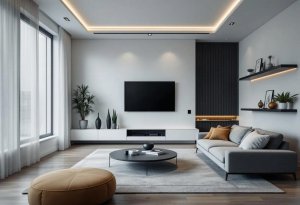
In a modern loft, space is often at a premium. The challenge is to create a functional and comfortable living space within a limited footprint. Effective space planning can transform a cramped apartment into a spacious and inviting home.
By utilizing open-plan layouts, strategic zoning, and multi-functional furniture, we can maximize the use of space and create a sense of flow. Incorporating ample storage solutions and maximizing natural light can further enhance the living experience.
Commercial Design: The Evolution of the Collaborative Office
In today’s dynamic work environment, the office is more than just a place to work. It’s a hub for collaboration, innovation, and social interaction. Effective space planning can foster a sense of community and boost productivity.
This involves creating a variety of spaces, including open work areas, private offices, meeting rooms, and break rooms. The key is to design a flexible and adaptable environment that can accommodate the changing needs of the workforce.
Common Hurdles: Navigating the Obstacles in Space Planning
Space planning isn’t always smooth sailing. We often encounter challenges that demand creative solutions. Here are some of the most common obstacles and strategies for overcoming them:
- Limited Space: Prioritize essential functions, utilize vertical space effectively, and invest in multi-functional furniture. Think about how to use every nook and cranny.
- Diverse User Needs: Conduct thorough user research to understand the needs of different individuals. Design flexible spaces that can be easily adapted and provide options for customization.
- Budget Constraints: Focus on cost-effective solutions without compromising functionality or aesthetics. Prioritize essential features and explore alternative materials.
- Regulatory Compliance: Stay up-to-date on building codes and accessibility guidelines. Work closely with local authorities to ensure compliance and address any potential issues.
Looking Ahead: The Future of Space Planning
The field of space planning is constantly evolving, driven by technological advancements and a growing awareness of sustainability. We’re seeing the rise of smart buildings, virtual reality, and parametric design, all of which are transforming the way we approach space planning.
Sustainable design is also playing an increasingly important role. We’re incorporating passive solar design, natural ventilation, and sustainable materials to create buildings that are not only functional and aesthetically pleasing but also environmentally responsible.
Ultimately, the future of space planning lies in our ability to embrace these advancements and create buildings that are both innovative and sustainable. It’s about designing spaces that not only meet the needs of today but also anticipate the challenges of tomorrow.
Space planning is a continuous learning process. By embracing new technologies, staying informed about sustainable practices, and always prioritizing the needs of the users, we can continue to create buildings that are not only functional and aesthetically pleasing but also enriching and inspiring. It’s about leaving a positive impact on the lives of the people who inhabit these spaces.

Hey, it's Ethan Bellweather here. For years, I've been neck-deep in the architecture and design scene. From my days at Read more
Hey, I'm Ethan Bellweather. I'm an architect obsessed with merging sustainable design with all the coolest tech. Forget just sticking Read more